SHADE Foundation

Preventing Skin Cancer Through Education


Like us on Facebook and win a Wallaroo Hat!

Our Mission: Dedicated to eradicating melanoma through the education of children and the community in the prevention and detection of skin cancer and the promotion of sun safety.

SHADE Foundation of America is a national 501 (c) 3 non-profit organization. We want to provide you with a resource to find great programs to educate children about sun safety and an opportunity for you to join us in making the world skin cancer free.

Donate to SHADE
Preventing Skin Cancer Through Education

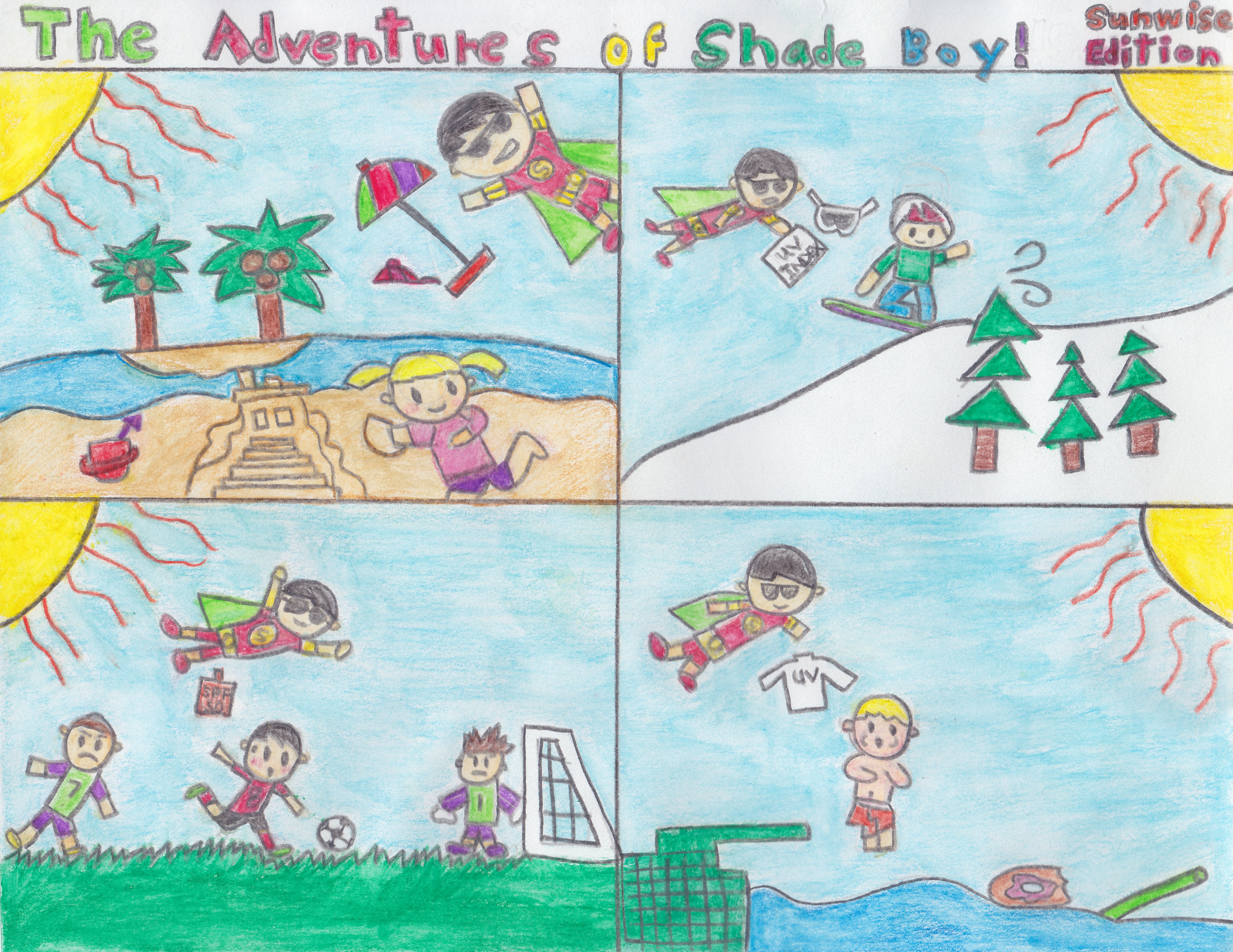
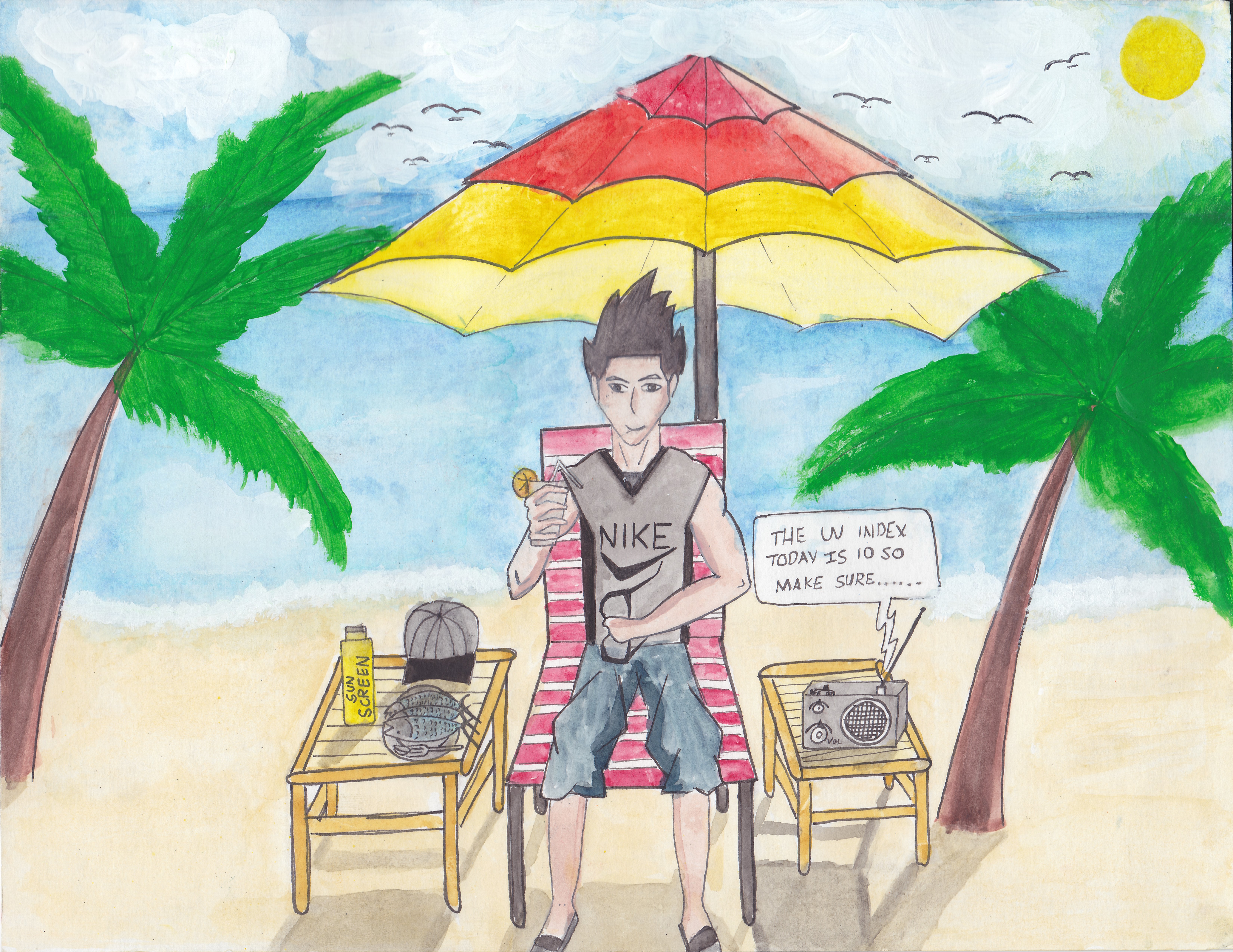
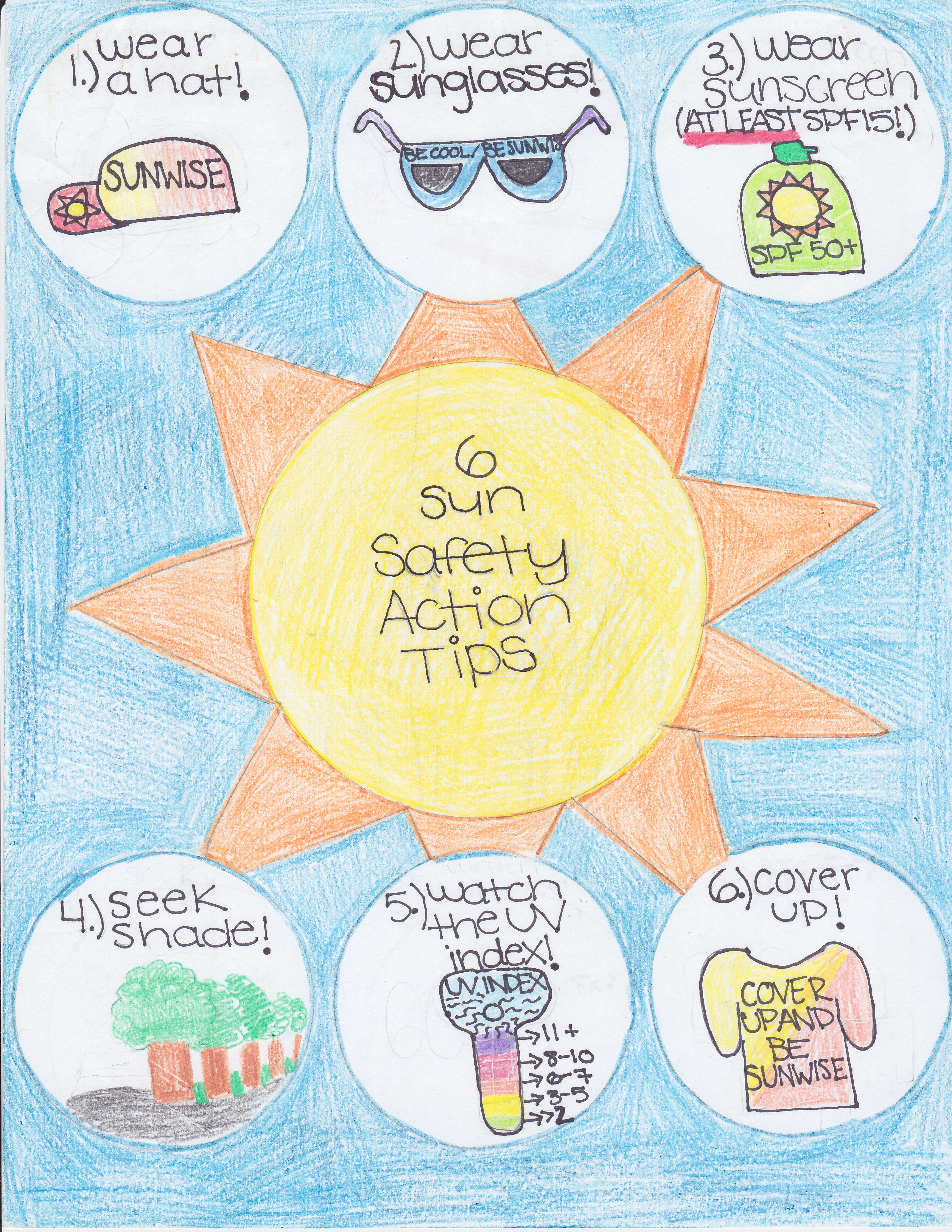
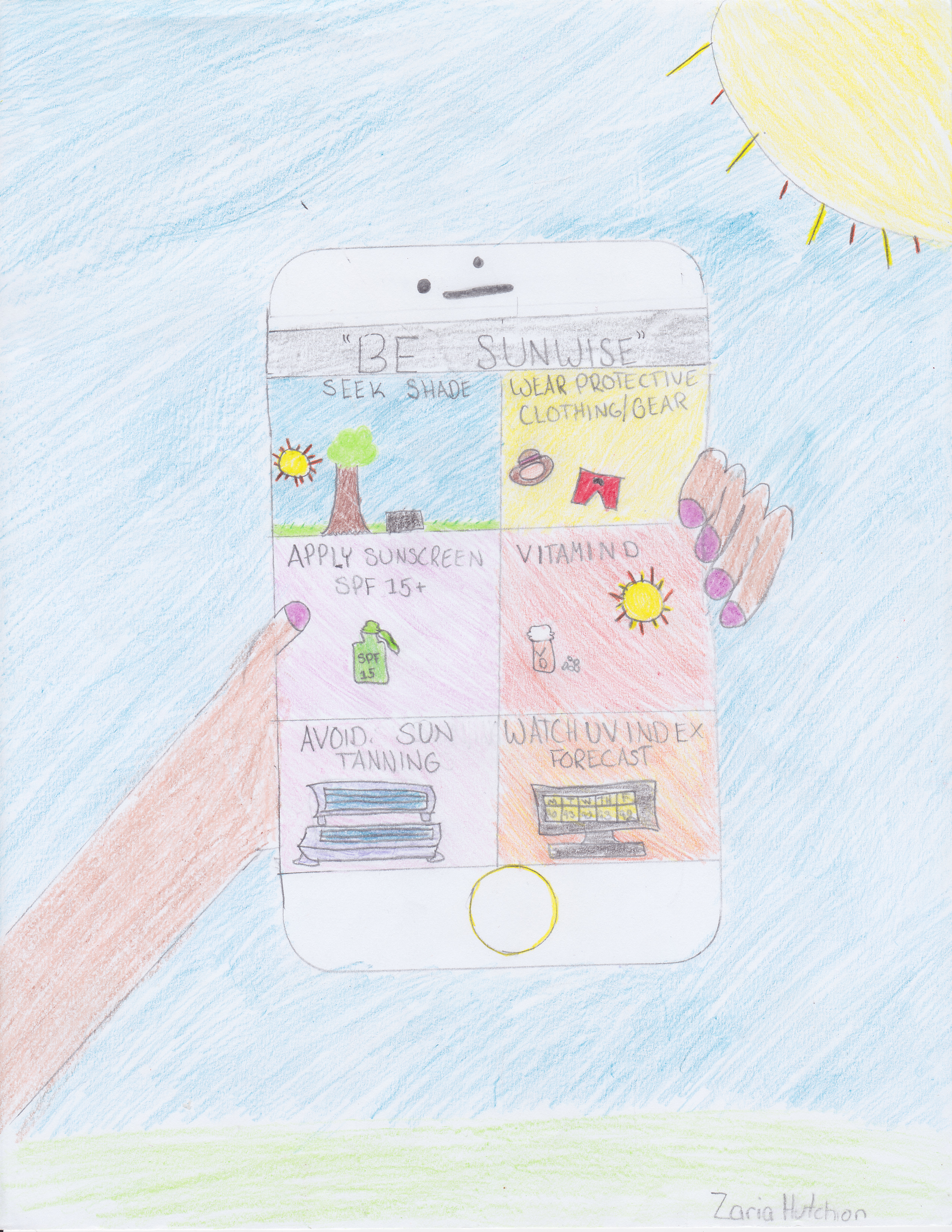
Poster Contest

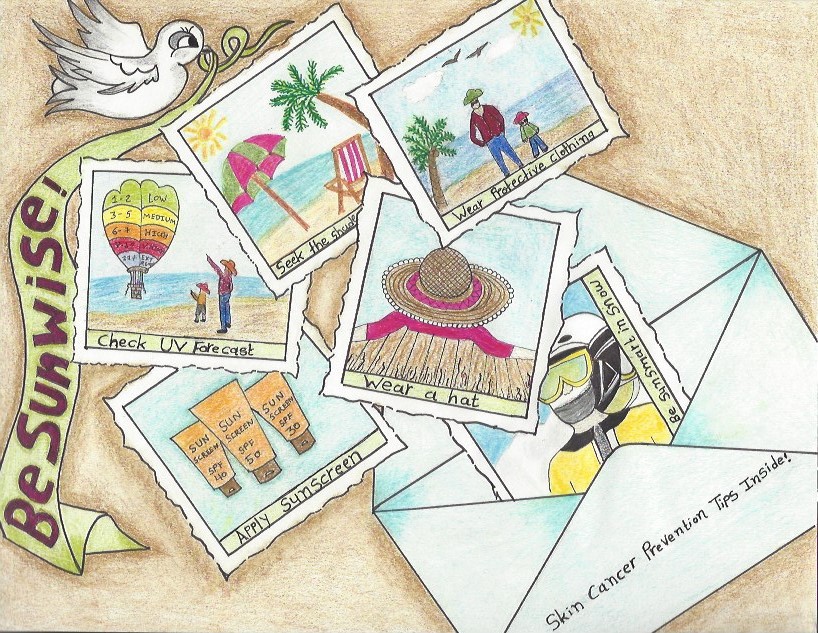
National Winner:  New Mexico  - Congratulations Sueda, from Albuquerque School of Excellence - 2012 SunWise with SHADE National Poster Contest Winner!  Her school receives and shade cover from Shade N Net and she wins a family trip to Disney World in Orlando, FL, courtesy of Walt Disney World!  Thank you to all of the students for their hard work and to the educators who made this possible by teaching sun safety education.


Help SHADE Foundation raise $10,000 by purchasing Blue Lizard Sunscreen!

Skin Cancer News

Events and News

Pitchin Posters
July 2012
Washington, DC


Find Cancer Clinical Trial Options

Find Cancer Clinical Trial Options

Shonda Schilling's Story

Top Rated Non-Profit

Skin Cancer Prevention Recommendations

Protection from ultraviolet (UV) radiation is important all year round, not just during the summer or at the beach. UV rays from the sun can reach you on cloudy and hazy days, as well as bright and sunny days. UV rays also reflect off of surfaces like water, cement, sand, and snow. Indoor tanning (using a tanning bed, booth, or sunlamp to get tan) exposes users to UV radiation.

The hours between 10 a.m. and 4 p.m. daylight savings time (9 a.m. to 3 p.m. standard time) are the most hazardous for UV exposure outdoors in the continental United States. UV rays from sunlight are the greatest during the late spring and early summer in North America.

CDC recommends easy options for protection from UV radiation—

  • Seek shade, especially during midday hours.
  • Wear clothing to protect exposed skin.
  • Wear a hat with a wide brim to shade the face, head, ears, and neck.
  • Wear sunglasses that wrap around and block as close to 100% of both UVA and UVB rays as possible.
  • Use sunscreen with sun protective factor (SPF) 15 or higher, and both UVA and UVB protection.
  • Avoid indoor tanning.

Shade

You can reduce your risk of skin damage and skin cancer by seeking shade under an umbrella, tree, or other shelter before you need relief from the sun. Your best bet to protect your skin is to use sunscreen or wear protective clothing when you're outside—even when you're in the shade.

Clothing

Loose-fitting long-sleeved shirts and long pants made from tightly woven fabric offer the best protection from the sun's UV rays. A wet T-shirt offers much less UV protection than a dry one. Darker colors may offer more protection than lighter colors.

If wearing this type of clothing isn't practical, at least try to wear a T-shirt or a beach cover-up. Keep in mind that a typical T-shirt has an SPF rating lower than 15, so use other types of protection as well.

Hats

For the most protection, wear a hat with a brim all the way around that shades your face, ears, and the back of your neck. A tightly woven fabric, such as canvas, works best to protect your skin from UV rays. Avoid straw hats with holes that let sunlight through. A darker hat may offer more UV protection.

If you wear a baseball cap, you should also protect your ears and the back of your neck by wearing clothing that covers those areas, using sunscreen with at least SPF 15, or by staying in the shade.

Sunglasses

Sunglasses protect your eyes from UV rays and reduce the risk of cataracts. They also protect the tender skin around your eyes from sun exposure.

Sunglasses that block both UVA and UVB rays offer the best protection. Most sunglasses sold in the United States, regardless of cost, meet this standard. Wrap-around sunglasses work best because they block UV rays from sneaking in from the side.

Sunscreen

The sun's UV rays can damage your skin in as little as 15 minutes. Put on sunscreen before you go outside, even on slightly cloudy or cool days. Don't forget to put a thick layer on all parts of exposed skin. Get help for hard-to-reach places like your back.

The United States Food and Drug Administration has announced significant changes to sunscreen product labelsYour browser may not support display of this image. that will help consumers decide how to buy and use sunscreen, and allow them to protect themselves and their families from sun-induced damage more effectively.

How sunscreen works. Most sun protection products work by absorbing, reflecting, or scattering sunlight. They contain chemicals that interact with the skin to protect it from UV rays. All products do not have the same ingredients; if your skin reacts badly to one product, try another one or call a doctor.

SPF. Sunscreens are assigned a sun protection factor (SPF) number that rates their effectiveness in blocking UV rays. Higher numbers indicate more protection. You should use a sunscreen with at least SPF 15.

Reapplication. Sunscreen wears off. Put it on again if you stay out in the sun for more than two hours, and after you swim or do things that make you sweat.

Expiration date. Check the sunscreen's expiration date. Sunscreen without an expiration date has a shelf life of no more than three years, but its shelf life is shorter if it has been exposed to high temperatures.

Cosmetics. Some make-up and lip balms contain some of the same chemicals used in sunscreens. If they do not have at least SPF 15, don't use them by themselves.

Avoid Indoor Tanning

Using a tanning bed, booth, or sunlamp to get tan is called "indoor tanning." Indoor tanning has been linked with skin cancers including melanoma (the deadliest type of skin cancer), squamous cell carcinoma, and cancers of the eye (ocular melanoma).

Donate
Volunteer

About SHADE
Our Founder - Shonda Schilling
Board of Directors
PSAs and Interviews
Major Donors
Affiliations

Resources
Skin Cancer Info
Skin Cancer News
Survivor Stories
Friends of SHADE

Programs
Poster Contest
Limit the Sun, Not the Fun!
SHADE Covers

Events
Donate Now
Sunset Run for SHADE
Bubbles & Bites, Boston
Pitchin’ Posters
Events Archive

Volunteer
Donate
Contact

© 2010 SHADE Foundation

SHADE® Foundation of America
4456 Floramar Terrace
New Port Richey, FL 34652
Phone 1 855 99 SHADE
(727) 807-5587

website by eDesigners.net

RSS Feed Twitter YouTube Facebook Flikr